
About
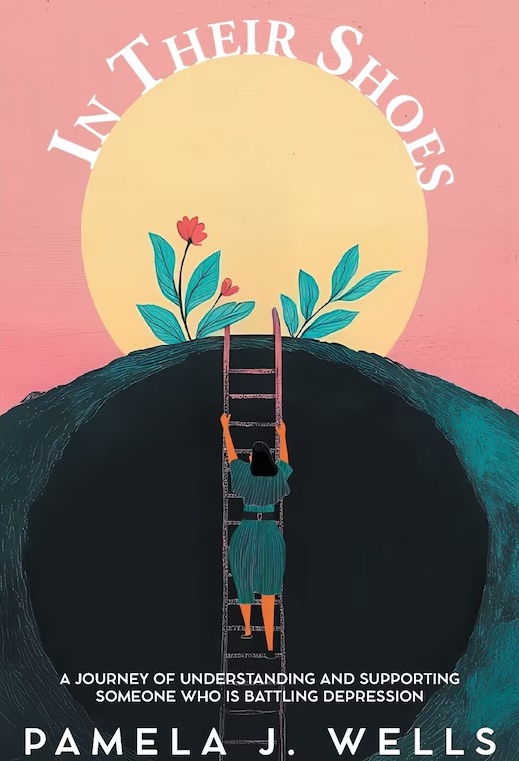
Pam Wells is an acclaimed author and depression awareness advocate whose work bridges the critical gap between clinical understanding and lived experience of mental illness. Her book 'In Their Shoes' combines her personal story of surviving childhood abuse, severe depression, and a suicide attempt with powerful interviews that illuminate what depression truly feels like from the inside. Through her advocacy, Wells equips families and caregivers with the empathy and practical tools needed to support loved ones facing mental health challenges.
Expertise Areas
Advice for Caregivers: Wisdom from Those Living with Depression
Direct guidance from people with depression on what caregivers and supporters most need to know, understand, and practice when helping someone with the condition.
LeadershipBreaking Mental Health Stigma: Creating a Compassionate Culture
Pam discusses the stigma surrounding depression and mental health, exploring how misunderstanding and judgment affect those struggling. She shares strategies for shifting cultural conversations and building greater compassion and acceptance in communities.
HealthBreaking the Mask: Why Depressed People Hide Their Struggles
Exploring why people with depression often hide their feelings, the origins of this protective mechanism, and how to create safe spaces for authenticity.
Personal GrowthBreaking the Mental Health Stigma One Conversation at a Time
Pam discusses her mission to reduce mental health stigma through open, honest conversation about depression. She explains how shame and stigma prevent people from seeking help and how changing the narrative matters.
HealthBreaking the Silence: Why Education About Depression Matters
Discussing why public awareness and education about depression is critical for reducing stigma, increasing understanding, and encouraging people to seek help.
EducationBuilding Personal Resilience: Strategies for Long-Term Wellness
Pam shares practical strategies for building resilience and maintaining mental health after depression. She discusses daily practices, self-care approaches, and lifestyle factors that contribute to sustained wellness and prevent relapse.
Personal GrowthDepression and Childhood Trauma: Understanding the Connection
Examining how early trauma, including abuse and emotional neglect, can contribute to lifelong struggles with depression and mental health challenges.
HealthDiverse Voices: Real Experiences with Depression
Through interviews featured in her book, Pam presents multiple perspectives on depression and recovery. These firsthand accounts showcase different strategies, coping mechanisms, and paths to wellness, demonstrating that recovery looks different for everyone.
HealthEducating Others About Depression: Reducing Stigma
Strategies for helping people without depression experience understand what it's like, reducing judgment and increasing compassion and support.
EducationEducating the Public: Depression Facts vs. Myths
Pam addresses common misconceptions about depression and provides accurate information based on her research and personal experience. This conversation is valuable for anyone wanting to better understand this widespread mental health condition.
EducationEducation and Awareness: Reducing Misunderstanding Around Depression
Pam discusses the importance of education in combating depression myths and misconceptions. She explores how informed knowledge about depression symptoms, causes, and treatments helps individuals and communities respond with greater understanding.
EducationFamily Dynamics and Depression: Healing Relationships
Pam discusses how depression affects family relationships and dynamics, exploring communication patterns, misunderstandings, and opportunities for healing. She shares how families can recover together and strengthen bonds through the mental health journey.
LifestyleFamily Dynamics When a Loved One Has Depression
Pam explores how depression affects entire families and the complex dynamics that emerge when one family member is struggling. She discusses communication, boundaries, and maintaining relationships during mental health challenges.
HealthFinding the Right Mental Health Professional: A Critical First Step
Discussing the importance of finding a therapist or counselor that fits your needs and how to recognize when you need to seek a different provider.
HealthFinding the Right Mental Health Professional: Therapist-Patient Fit
Exploring the critical importance of finding a mental health professional who is the right fit, and why changing therapists is acceptable and sometimes necessary.
HealthFrom Patient to Author: Using Writing as Healing and Advocacy
Pam shares her journey from struggling with depression to becoming an author and mental health advocate. She discusses how the writing process became part of her healing and how it allows her to help others at scale.
Personal GrowthHope and Recovery: Reminding People They're Not Alone
Pam emphasizes that recovery is possible and that connection with others in similar circumstances is invaluable. She discusses how sharing stories and knowing others have overcome depression provides hope and motivation for those currently struggling.
HealthHow to Help Someone With Depression: Do's and Don'ts
Pam provides practical guidance for anyone supporting a loved one with depression, outlining what actions are helpful versus harmful. This is essential information for caregivers and family members trying to provide proper support.
HealthInterview Subjects Share Their Stories: Diverse Paths to Depression Understanding
Pam discusses the various people she interviewed for her book and how their different backgrounds and experiences with depression enriched the narrative. These diverse perspectives help readers feel seen regardless of their own circumstances.
HealthListening as a Healing Tool: The Power of Empathy
Pam stresses that true understanding begins with listening. She discusses how empathetic listening, without judgment or immediate problem-solving, creates space for healing and connection with those experiencing depression.
Personal GrowthMy Journey Through Depression: Personal Stories of Recovery
Pam Wells discusses her own experiences with depression, including her encounters with medical professionals, therapists, family, and friends. She shares the turning points in her recovery journey and what ultimately made the difference in her path toward healing.
Personal GrowthMy Three-Year Depression Journey and Suicide Attempt Recovery
Pam shares her personal story of battling severe depression for three years, including a suicide attempt, and how that experience led her to write a book to help others. She discusses the turning point in her recovery and what motivated her to become an advocate.
HealthNavigating Treatment Options: Medical and Therapeutic Approaches
Pam explores different treatment pathways for depression, including medication, therapy, and holistic approaches. She discusses how to work with healthcare providers, what to expect, and how to find the right combination of treatments for individual needs.
HealthNonverbal Communication and Depression: The Signals You're Sending
Examining how body language, tone, and nonverbal cues affect people with depression, and how caregivers can ensure their actions align with their supportive intentions.
Personal GrowthPersonal Resilience: Building Strength Through Depression Recovery
Pam discusses how surviving depression and a suicide attempt has taught her about resilience and inner strength. She explores how adversity can lead to personal transformation and empowerment.
Personal GrowthSelf-Help Strategies for Depression: Taking Control of Your Recovery
Practical steps individuals with depression can take to support their own healing, alongside professional help.
Personal GrowthSelf-Help Strategies for Depression: What You Can Do for Yourself
Practical self-care and coping strategies that individuals struggling with depression can implement to support their own mental health and recovery.
Personal GrowthSocial Situations and Depression: Navigating Relationships
Understanding which social situations are difficult for depressed individuals and which ones are actually helpful, improving social interactions.
LifestyleSocial Situations and Depression: Which Interactions Help and Which Harm
Analyzing which social scenarios are beneficial or detrimental for someone experiencing depression, and how to navigate social life during depressive episodes.
HealthSuicidal Thoughts and Depression: Understanding the Connection
An honest exploration of what suicidal ideation feels like for those experiencing severe depression, how to recognize warning signs, and how to respond.
HealthSuicidal Thoughts: Understanding the Mind of Someone in Crisis
An intimate exploration of what suicidal ideation feels like for those experiencing it, helping others understand this critical aspect of severe depression.
HealthSuicide Prevention and Awareness: Early Signs and Intervention
Pam addresses suicide prevention, helping listeners recognize warning signs of suicidal ideation in loved ones and learn how to intervene effectively. This discussion emphasizes the critical importance of early detection and appropriate professional support.
HealthSuicide Prevention: Recognition and Response
Drawing from her own suicide attempt and recovery, Pam discusses warning signs of suicidal ideation and how to respond effectively. This critical conversation can help listeners identify when someone needs immediate help.
HealthSupporting a Loved One with Depression: Practical Strategies
Pam shares actionable advice for family members, friends, and caregivers on how to effectively support someone experiencing depression. The discussion covers what to say, what to avoid, and how to provide meaningful help without causing harm.
HealthSupporting Loved Ones: The Caregiver's Guide to Depression
Pam provides comprehensive guidance for anyone in a caregiving role, from partners and family members to friends. She offers practical advice on how to maintain your own mental health while supporting someone with depression.
HealthSupporting Someone with Depression: What To Do and Say
A practical guide to understanding the most helpful actions, words, and behaviors when supporting a loved one battling depression, including what not to do.
LeadershipSupporting Someone with Depression: What to Do and What Not to Do
Practical guidance for loved ones and caregivers on how to effectively support someone battling depression, including specific actions that help and common mistakes to avoid.
LeadershipThe Impact of Parenting and Family Dynamics on Depression
Examining how family structure, parenting styles, and family communication patterns contribute to depression development and management.
Personal GrowthThe Language of Depression: How Depressed People Communicate Their Needs
Understanding how people with depression express themselves, what signals they send, and how to interpret communication accurately.
Personal GrowthThe Mask: Why Depressed People Hide Their Struggles
Examining why individuals with depression often suppress their feelings and present a false front to the world, and the psychological mechanisms behind masking.
Personal GrowthThe Power of Devoted Support: How Partners Can Make a Difference
Exploring the transformative impact of unwavering spousal or partner support during depression, and why consistent presence matters more than perfect solutions.
Family & RelationshipsThe Power of Shared Stories in Mental Health Advocacy
Pam discusses why she included multiple interview subjects' stories in her book alongside her own narrative. She explains how collective storytelling helps reduce stigma and creates connection among those affected by depression.
HealthThe Role of Caregivers in Depression Recovery
Examining how caregivers, partners, and loved ones can make a meaningful impact on someone's depression journey, including what caregivers need to know.
LeadershipThe Role of Family Dynamics in Depression: Toxic Patterns and Healing
Investigating how family communication patterns, strict parenting, and emotional unavailability contribute to depression and what healthy family dynamics look like.
Family & RelationshipsThe Role of Patience and Persistence in Healing
Pam emphasizes that recovery from depression is not linear and requires patience with oneself and others. She discusses the importance of persistence through setbacks, celebrating small victories, and maintaining hope during difficult periods.
Personal GrowthThe Turning Point: When Did You Know You Would Get Better?
Pam reflects on the specific moments and factors that signaled her recovery from depression. This hopeful discussion helps those currently struggling to understand that recovery is possible and what it might look like.
HealthTrauma and Depression: Exploring the Connection
Pam examines the relationship between trauma and depression, explaining how past experiences can contribute to depressive episodes. She discusses trauma-informed approaches to recovery and how addressing underlying trauma supports long-term mental health.
HealthTrauma Recovery and Its Connection to Depression
Pam explores how trauma and depression are often intertwined, discussing her understanding of trauma recovery as part of the larger mental health journey. She addresses the pathways from traumatic experiences to depressive episodes.
HealthTrauma, Abuse, and Depression: Understanding the Connection
Examining how early trauma and abuse can lead to lifelong depression struggles and the importance of addressing root causes in treatment.
HealthUnderstanding Depression: Breaking Down the Complexity
Pam Wells explores what depression really is, moving beyond common misconceptions. She discusses the medical, emotional, and psychological dimensions of depression, helping listeners understand why it's more than just feeling sad and how proper understanding leads to better support.
HealthUnderstanding Depression: What It Actually Feels Like
Exploring the lived experience of depression from those who suffer from it, moving beyond clinical definitions to understand the emotional and physical reality of the condition.
HealthUnderstanding Depression: What It Really Feels Like
Exploring the internal experience of depression from those who suffer from it, helping loved ones understand the emotional and physical sensations that accompany this mental illness.
HealthWhat Depression Really Feels Like: First-Hand Accounts
Through interviews with multiple people who have experienced depression, Pam explains what depression truly feels like beyond clinical definitions. This discussion helps listeners understand the emotional and physical reality of living with depression.
HealthWhat Makes Depression Better: Evidence-Based Relief Strategies
Exploring practical and evidence-based approaches that help people manage and recover from depression, from professional help to lifestyle changes.
HealthWhat Makes Depression Better: Pathways to Symptom Relief
Identifying the activities, relationships, behaviors, and supports that alleviate depression symptoms and contribute to recovery and wellness.
HealthWhat Makes Depression Worse: Identifying and Avoiding Triggers
Understanding the specific factors, situations, and interactions that exacerbate depression, allowing for better management and prevention of deterioration.
HealthWhat Makes Depression Worse: Identifying Triggers and Obstacles
Identifying external and internal factors that exacerbate depression symptoms, helping people recognize and potentially avoid or manage these triggers.
HealthWhen Someone You Love Is Struggling: A Caregiver's Guide
Specifically tailored for caregivers, Pam provides guidance on managing the emotional burden of supporting someone with depression, maintaining your own mental health, and seeking support for yourself while helping loved ones.
HealthYou're Not Alone and You're Not Crazy: Addressing Isolation in Depression
Pam addresses the profound isolation and self-doubt that comes with depression, emphasizing that these feelings are normal responses to the condition. She explains how knowing others share the same experience can be transformative for recovery.
HealthA Husband's Unwavering Devotion: Layne's Role in Recovery
When everything felt hopeless, one person's refusal to give up on his wife became the lifeline that saved her life.
Layne Wells never wavered in his devotion to his wife during her most difficult time with depression, providing the consistent love and support that made the difference between despair and recovery.
Breaking Free from the Silence: Speaking the Unspeakable
For decades, she wasn't allowed to talk about her problems; now she couldn't stop talking about them because the stakes of silence were too high.
Pam overcame years of being silenced—first by her parents who wouldn't listen, then by her own depression—to finally speak openly about her trauma and mental health, transforming pain into purpose.
Discovering Purpose Through Pain: From Patient to Educator
She realized her husband wasn't alone in his confusion about how to help her—millions of people were struggling in the same way, and she could bridge that gap.
Recognizing that many people want to help depressed individuals but don't know how, Pam transformed her personal journey into an educational mission, interviewing others and creating a resource guide.
Emotional Neglect: The Silent Harm of an Unaffectionate Home
Her mother ensured she was fed and clothed but never once said 'I love you,' leaving a void that shaped her entire emotional life.
Raised in a home where her mother never expressed love or affection, Pam learned how emotional neglect compounds trauma and prevents the expression of needs.
Finding Voice in Silence: From Dismissed Child to Heard Author
The girl whose mother laughed at her problems became the woman who listens intently to the problems of others and says, 'Your experience matters, and I'm hearing you.'
A child whose concerns were dismissed and who was told not to question anything evolved into an author deliberately creating space for others' voices to be heard and validated.
From Silent Suffering to Vocal Advocacy: Pam's Journey Through Depression
She wore a mask of 'everything is fine' for decades while the weight of childhood sexual abuse and untreated depression threatened to destroy her from within.
Pam Wells, who suffered from childhood sexual abuse and lifelong depression, moved from wearing a mask of normalcy to becoming a depression awareness advocate and author, dedicating her work to helping others understand what depression truly feels like.
From Victim to Survivor: Overcoming Childhood Sexual Abuse
A five-year-old girl was told that her body was her father's responsibility, and she spent the next five decades learning that wasn't true.
Abused starting at age five by her father, Pam survived not only the immediate trauma but decades of its aftermath, eventually transforming her survival into advocacy and healing.
Shifting from 'Why Me?' to 'How Can I Help?': The Power of Perspective
Instead of drowning in the unfairness of her circumstances, she grabbed a lifeboat and reached back to help pull others up.
Rather than remaining trapped in victimhood, Pam shifted her perspective from asking why depression happened to her toward asking how she could help others facing similar struggles.
The Church and Faith: Reconciling Religion With Mental Health
In a home where faith was supposed to fix everything, she learned that her depression meant either her faith wasn't strong enough or she wasn't praying right.
Raised in a Christian home with a strict interpretation of faith, Pam learned that acknowledging depression was seen as a lack of faith, creating additional burden and shame.
The Expert Who Lived It: Valuing Lived Experience Over Clinical Credentials
She knew that what a depressed person needs isn't theory—it's understanding from someone who has been there.
Pam deliberately chose not to interview psychiatrists or present her work from a clinical perspective, instead valuing the authentic lived experiences of those who had actually suffered depression.
The Mask Comes Off: Authenticity in the Face of Depression
She had become so skilled at hiding her pain that even she almost believed her own lie that everything was fine.
After years of perfecting the art of wearing 'the mask' and appearing fine while suffering internally, Pam learned that authenticity and honest communication were essential to healing.
The Suicide Attempt: A Crisis That Led to Clarity
At her lowest point, when death seemed preferable to living, she discovered that suicide was not the answer—and that her story wasn't over.
Pam experienced a suicide attempt that became a turning point—not the end of her story, but rather a moment that led to seeking help, finding support, and ultimately dedicating her life to preventing others from reaching that point.
Location
Niagara Falls, Ontario, Canada
Timezone
EST
Format
Both
Preferred Length
30-60 minutes
Speaking Fee
Complimentary
Language
English
Availability
Available